


The First 14 Days With Your Puppy: What’s Normal, What’s Not, and When to Worry
The first two weeks set the tone for everything.
This is the adjustment window where routines are formed, confidence is built, and your puppy learns how the world works. Expect progress, small hiccups, and a whole lot of bonding. This guide walks you through exactly what to focus on — and what not to stress about — so you can start strong and stay sane.
Those first two weeks at home are a big change for your puppy. Here’s what’s normal, what’s temporary, and how to confidently support your puppy during this adjustment period.
What NOT to Do in the First 14 Days
Slow down. This part matters.
❌ Don’t over-socialize your puppy
Too much too fast creates stress, not confidence.❌ Don’t skip the crate
Structure and rest prevent anxiety and bad habits.❌ Don’t change food multiple times
Consistency protects digestion and immune balance.❌ Don’t allow free roaming
Supervise or crate — freedom is earned, not given.❌ Don’t invite everyone over to meet the puppy
Fewer, calmer interactions are far more beneficial.❌ Don’t expect instant bonding or perfect behavior
Adjustment takes time. This is normal.❌ Don’t ignore sleep needs
An overtired puppy looks “naughty” but is just exhausted.
Remember:
Calm routines now create confident dogs later. The first 14 days are about stability, not stimulation.
The First 48 Hours – Decompression Mode

Think calm. Think boring. Think predictable.
Your puppy just experienced a major life change
Nervous systems need time to settle
Overstimulation = stress behaviors
What to do:
Limit visitors (this is not a puppy parade)
Keep the environment quiet and consistent
Stick to one main area of the home
Supervise 100% or crate — no free roaming
Start your routine immediately (feeding, potty, sleep)
Avoid:
Dog parks, pet stores, and busy public places
Long car rides “just because”
Letting everyone hold the puppy all at once
Establishing a Routine (Your Secret Weapon)
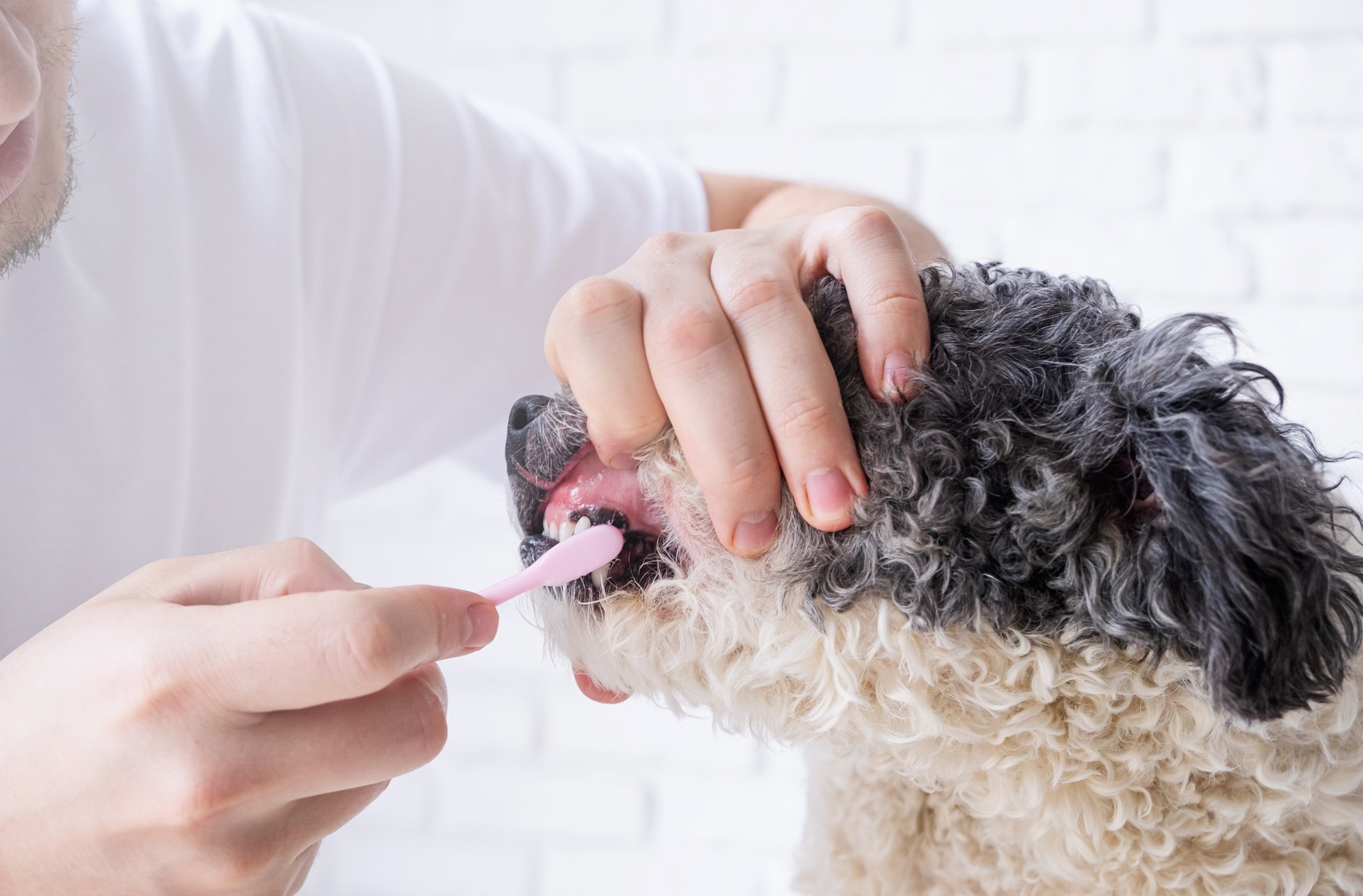
Puppies thrive on predictability. Routine = safety.
Daily structure should include:
Potty breaks: after waking, eating, playing, and before bed
Meals at consistent times
Crate time built into the day (even if you’re home)
Short play sessions, not endless chaos
Plenty of sleep (18–20 hours a day is normal)
Why this matters:
Faster potty training
Less anxiety
Better sleep for everyone
Fewer “what is wrong with my puppy” moments
Crate Training & Sleep Expectations
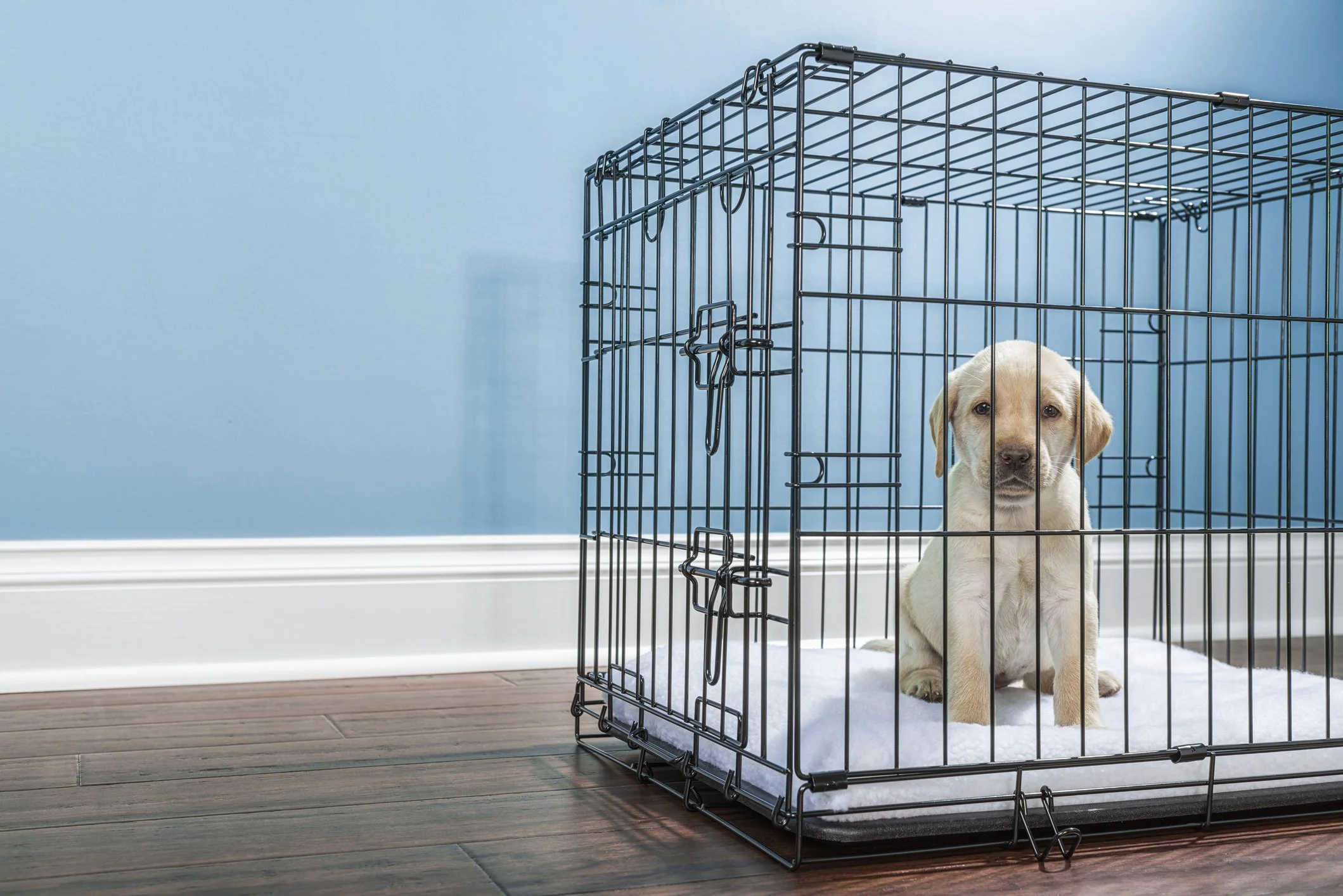
Crates are not punishment. They’re a nervous-system reset.
Crate basics:
Crate should be cozy, not oversized
Place it in a quiet, low-traffic area
Covering the crate can help puppies settle
Nighttime whining is normal — respond calmly
Nighttime expectations:
Potty once during the night is common early on
Keep nighttime boring: out, potty, back in
No play, no talking, no lights on
Daytime naps:
Enforced naps prevent overstimulation
Overtired puppies act wild, bitey, and dramatic
Feeding, Digestion & “Is This Poop Normal?”
Short answer: digestion can be weird at first.
Totally normal in the first 14 days:
Soft stools during transitions
Skipping a meal here or there
Eating less while adjusting
Mild stress-related tummy upset
What helps:
Stay consistent with the current food
No table scraps
Avoid constant food changes
Keep water clean and fresh
Add calm, not supplements, first
Call your vet if you see:
Persistent diarrhea
Lethargy
Vomiting
Blood or mucus that doesn’t resolve
Socialization vs. Exposure (They Are Not the Same)
Socialization does not mean meeting everyone.
Healthy early exposure includes:
New surfaces (tile, carpet, grass)
Household noises
Calm, neutral experiences
Short, positive interactions
Avoid in the first 14 days:
Dog parks
Uncontrolled dogs
Overhandling by strangers
Forced interactions
Goal:
Confidence, not overwhelm.
FAQ
-
Yes. This is expected and temporary. Stay calm, consistent, and boring at night. Comfort without creating habits you don’t want long-term.
-
No. The first 1–2 weeks should be quiet and controlled. Exposure should be intentional, not constant.
-
A lot. Most puppies need 18–20 hours of sleep per day. If they’re acting wild, they’re usually overtired.
-
Not usually. Appetite changes are common during transitions. Monitor energy and stools rather than individual meals.
-
Day one — but keep it simple. Potty routines, crate comfort, name recognition, and calm behaviors come first.
-
Yes. Puppies explore with their mouths. Redirect, manage overstimulation, and prioritize rest.
-
That’s a personal choice, but consistency matters. If you allow it now, expect it long-term. Crates often create better sleep early on.
-
Only calm, healthy, known dogs in controlled environments. Quality over quantity always.
-
Totally normal. Confidence builds with time, routine, and gentle exposure — not pressure.
-
Trust patterns, not moments. One off day is normal. Ongoing changes in energy, appetite, or behavior deserve a vet call.
The first 14 days are about connection, not perfection.
You are building trust, safety, and structure — not a finished dog. Progress is not linear. Stay consistent, stay calm, and remember: this phase passes quickly.
Raising puppies comes with real-world biology. When expectations are clear and education is shared, puppies and families thrive.
The information on this page is provided to educate puppy buyers and set clear expectations regarding common intestinal parasites in puppies.
Acknowledgment of this information, including exposure risks, post–go-home flare-ups, and health guarantee limitations related to Giardia and Coccidia, is included in the final purchase contract.
Staying Connected

01. Follow Us on Instagram
We love seeing your doodles grow! Tag @BoiseDoodleCo_ranch and share your photos to be featured on our page.
02. Join our Newsletter
Each month we send litter updates, health tips, and seasonal training reminders straight to your inbox.
0.3 Podcast (Coming Soon!)
We’re launching a podcast just for doodle families — with real stories, breeder insights, and expert interviews. Sign up for our newsletter to get the first episode when it drops.

"Responsible Breeding Protects Generations."
We test today to improve the lines of tomorrow—this is breeding with purpose.

Sneak Peeks from Our Journal
Early Neurological Stimulation (ENS) for Puppies
Early Neurological Stimulation (ENS) is a proven method used by top breeders to give puppies a healthy head start in life. Performed between days 3–16, ENS includes five simple exercises — toe tickling, head up, head down, on back, and gentle cold touch — to boost brain development, strengthen the heart, improve stress tolerance, and support lifelong health.
From Our Journal: Life on the Farm
There’s nothing quite like mornings with our Goldendoodle puppies—sunrise, wagging tails, and coffee in hand. If you’re searching for Goldendoodle puppies for sale in Boise, Idaho or wondering if there are Goldendoodle puppies for sale near me, you’re in the right place. These pups are raised with love, structure, and a whole lot of heart.
Let’s be honest—dog hair on your black pants, your couch, your car, and (somehow) in your coffee? Not ideal. Whether you’re navigating allergies, asthma, or just really into clean furniture, finding a non-shedding dog breed can feel like searching for a unicorn. The good news? That unicorn exists… and it comes with a tail and a wagging butt.
At Boise Doodle Co., we specialize in ethically bred, low-to-non-shedding breeds that fit beautifully into family life—and don’t leave your house looking like a lint roller exploded. Let’s dig into your best options.
I Have Questions!
Have Questions, Concerns? Great! We love to chat. Please note if you are looking to fill out the puppy application or read the breeders contract click here.

Frequently Asked Questions
-
Yes. Every Boise Doodle puppy is introduced to a crate/kennel routine before going home. This makes crate training easier, helps with potty training (dogs don’t potty where they sleep), and provides your puppy a safe den space.
-
We recommend premium tools that match your doodle’s coat and lifestyle:
Pawtree Puppy Food (Turkey & Sweet Potato, White Fish & Brown Rice)
Chris Christensen Slicker & Pin Brushes
Cowboy Magic shampoo/conditioner
Puppy play pen, bully sticks, chew toys, collar, leash, bowls
Tip: We’ll send you a starter potty tray and first week of food with your placement.
-
We feed Pawtree premium food (Turkey & Sweet Potato; White Fish & Brown Rice). It’s made in the USA, reduces gas, improves digestion, and keeps ears healthy. Puppies are fed twice daily in our home, and we recommend you continue this diet to maintain our Boise Doodle Health Guarantee
-
All puppies are trained to understand nighttime is for rest, not play. We remove food after 6:00 pm and water after 7:00 pm, which helps with potty training. Puppies are crated with comfort items (blanket with mom’s scent) to reinforce calm, quiet nights.
-
Yes. Boise Doodle Company offers concierge delivery nationwide. Most families choose airport delivery for $850, which includes flight nanny services and a hand-off at your nearest major airport. We also offer ground delivery options in select regions. Every delivery is designed to be stress-free and safe for your puppy, ensuring a smooth transition into your home.
-
All Boise Doodle puppies are sold on a strict spay/neuter contract, unless full breeding rights are purchased separately. Each placement also comes with our health guarantee, supported by veterinary records and a 30-day free Trupanion insurance policy. These agreements protect both your new family member and the integrity of our breeding program, ensuring long-term health and wellbeing.
-
Good Dog is a trusted platform that provides an extra layer of security and financing options for buyers. Boise Doodle Company lists select litters on Good Dog, and families can check out through their platform using Klarna monthly payments. Please note: if your initial conversation and application begins on Good Dog, their rules require that we finish the purchase there. If you apply directly on our website, you’ll bypass Good Dog’s fees while still receiving the same Boise Doodle health guarantee.
-
To reserve your puppy, we require a $1,000 non-refundable deposit (or 50% if the puppy is under 8 weeks old). For puppies over 8 weeks, the full purchase price plus Idaho sales tax is due to secure your spot. Deposits can be paid via Stripe on our website or through Good Dog checkout if you’d like to use Klarna financing. Once reserved, your puppy is officially held for your family.

We’re here to help you take the next step with confidence.
Ethical, Health-Tested Puppies & Honest Guidance—Every Step of the Way
-
Ethical, intentional breeder (say it plainly)
Idaho-based, home-raised, family-run
Fully health-tested parents (name the tests once)
Not a puppy mill, not a broker, not a hobby gone sideways
-
Health testing first (not optional, not trendy)
Temperament + lifestyle matching
Structured puppy raising (ENS, ESI, Puppy Culture)
Transparency, education, and lifetime support
-
Families who value health and temperament
People who want education, not impulse buying
First-time dog owners who want support
Experienced owners who want quality over shortcuts
And yes — it’s okay if someone reads this and realizes,
“Hmm… maybe not us.”
That’s a win.
ethical dog breeder — health-tested puppies — responsible doodle breeder — puppy raising program — responsible poodle breeder — ofa testing — boise, idaho